
Once you have decided that underfloor heating is the upgrade your home needs, there is one big question to settle before anything else: should you go for a wet system or an electric one? It is the choice that shapes your budget, your installation, and how the system runs for years to come. Understanding wet vs electric underfloor heating is the key to picking the right setup first time, and getting it wrong can mean paying more than you needed to, or ending up with a system that does not quite suit the space. As underfloor heating specialists working across Winchester, Fareham, Southampton and the wider Hampshire area, this is a conversation we have with homeowners almost every week.
The Two Types Of Underfloor Heating Explained
At its simplest, underfloor heating warms a room from the ground up, spreading gentle heat evenly across the whole floor rather than from a single radiator on the wall. Both wet and electric systems do this beautifully, but they get there in very different ways.
A wet system, sometimes called a water-based system, runs a network of pipes beneath your floor. Warm water from your boiler or heat pump flows through those pipes and heats the floor above. An electric system, by contrast, uses thin heating wires or mats laid under the flooring; switch it on and the wires warm up directly. Neither is simply better than the other. The right answer depends on your property, the room, and how you plan to use the space, which is exactly what this guide will help you weigh up.
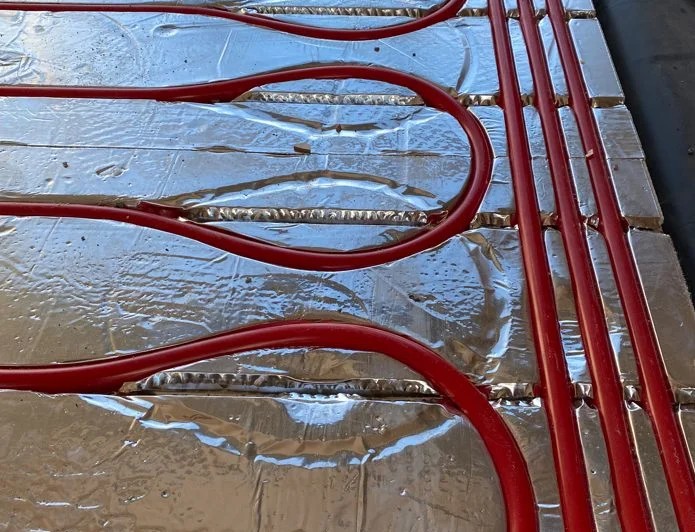
Wet Underfloor Heating: The Whole-Home Workhorse
Wet systems are the go-to choice when you want to heat a whole house or a large open-plan area. Because they run off your central heating, they are efficient to run over time and pair especially well with a modern heat pump, which delivers water at the lower temperatures underfloor heating loves. For a new build or a full renovation, a wet system is very often the sensible long-term investment.
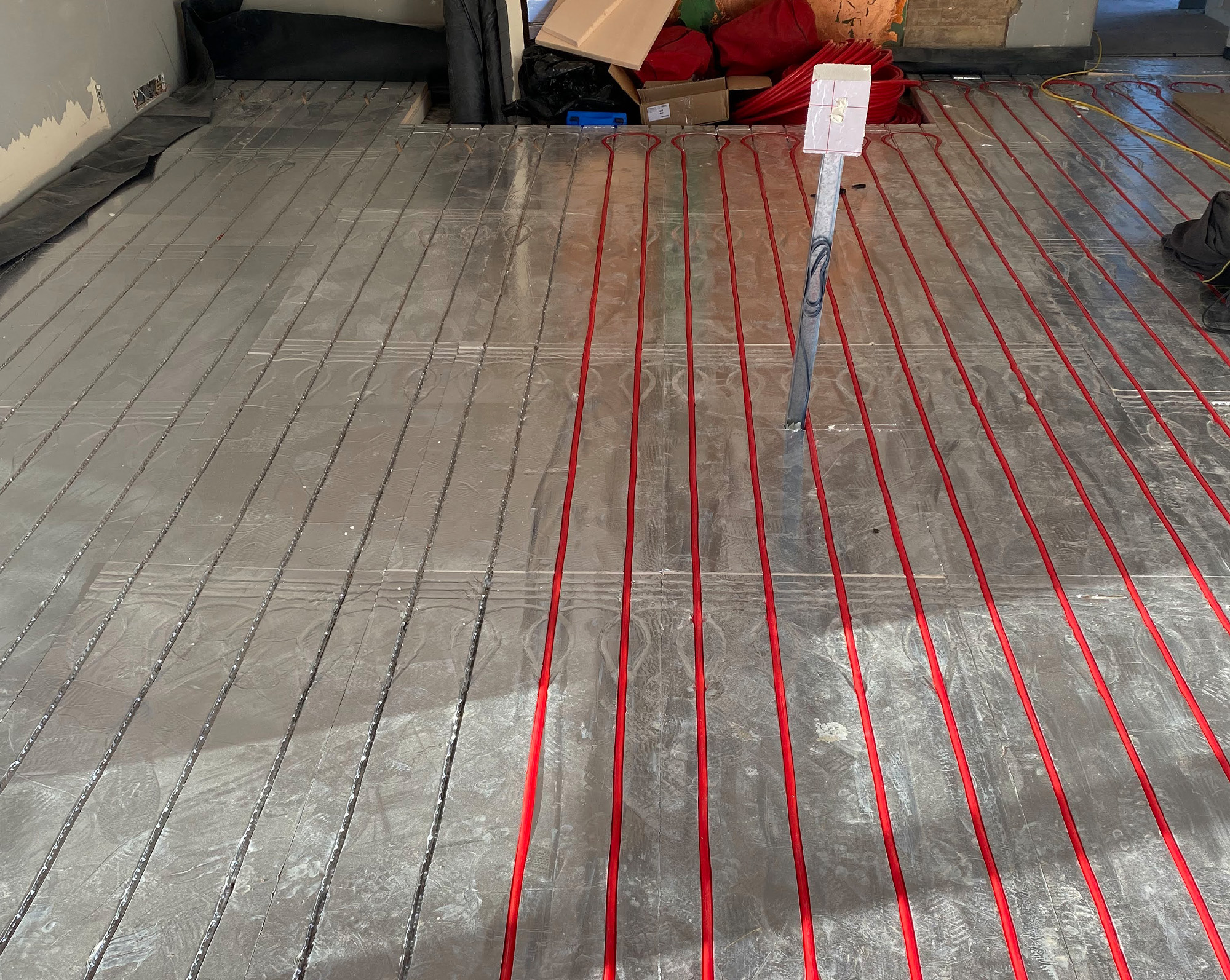
The trade-off is the installation. Laying pipework and, in many cases, screeding over it raises the floor height and takes more time and labour than an electric system. That makes wet systems easiest to fit during construction or a major refurbishment, when the floor is already up. Retrofitting one into an existing home is absolutely possible, and low-profile options have made it far easier than it used to be, but it is a bigger job than rolling out an electric mat.
Electric Underfloor Heating: The Single-Room Specialist
Electric systems shine in smaller, specific spaces. A bathroom, an en-suite, a kitchen or a utility room is the classic setting, where the warm floor is a lovely everyday luxury rather than the home’s main heat source. Installation is quicker and less disruptive, the mats are thin so they barely raise the floor level, and that makes electric a natural fit for a single-room renovation where you do not want to lift the whole house.
The thing to keep in mind is running cost. Electricity is more expensive per unit than the gas or heat-pump energy that feeds a wet system, so electric underfloor heating is most cost-effective in smaller areas or where it is used for shorter bursts. Heating an entire home on electric mats alone would rarely be the economical choice, which is why we usually recommend it room by room rather than throughout.
Wet vs Electric Underfloor Heating: A Side By Side Look
To make the comparison easier, here is how the two systems stack up on the points that matter most:
- Best suited to: wet systems for whole homes and large areas; electric systems for single rooms like bathrooms and kitchens.
- Installation: electric is quicker and less disruptive; wet takes longer and is easiest during a build or major renovation.
- Floor height: electric mats are very slim and barely raise the floor; wet systems usually add more build-up.
- Running cost: wet systems are cheaper to run over larger areas, especially with a heat pump; electric costs more per unit and suits smaller spaces.
- Upfront cost: electric is generally cheaper to install; wet has a higher initial outlay but stronger long-term value across a whole property.
Seen side by side, a pattern emerges: wet systems reward you over the long term across bigger spaces, while electric systems win on simplicity and cost for a single room. Most homes we work in end up somewhere sensible on that spectrum, and often the right answer is a wet system through the main living areas with electric warmth added in a bathroom.
How To Choose The Right System For Your Home
When we help a homeowner decide, we come back to a handful of straightforward questions, and you can ask yourself the same ones.
- How much space are you heating? A whole floor or open-plan area leans wet; a single room leans electric.
- Is it a new build, a renovation or a retrofit? An open floor makes a wet system easy; an untouched room often suits an electric mat.
- What is your main heat source? A heat pump pairs superbly with a wet system, boosting long-term efficiency.
- What matters more, upfront cost or running cost? Electric is cheaper to fit; wet is cheaper to run at scale.
There is rarely a wrong answer here, only a best fit, and it is genuinely worth talking through wet vs electric underfloor heating with an installer before committing. A short conversation at the planning stage often saves a good deal of money and hassle later.
Frequently Asked Questions About Underfloor Heating
Which is cheaper to run, wet or electric underfloor heating?
Over larger areas, wet systems are usually cheaper to run because they use lower-cost energy from your boiler or heat pump. Electric can be perfectly economical in a small room used for shorter periods, but it costs more per unit across a whole home.
Can I fit underfloor heating in an existing home?
Yes. Electric systems are simple to retrofit in a single room, and low-profile wet systems have made whole-home retrofits far more practical than they once were. The best approach depends on your floors, so it is worth an assessment first.
Does underfloor heating work with any flooring?
It works with tile, stone, wood, vinyl and even carpet within certain limits. Some materials conduct heat better than others, so we will advise on the best pairing for your chosen system.
Can I use underfloor heating as my only heat source?
A well-designed wet system in a properly insulated home can absolutely be the primary heat source. Electric systems are usually better as a comfort boost in specific rooms rather than heating the entire property.
Talk To The Underfloor Heating Specialists At Duo Systems
Choosing between wet vs electric underfloor heating comes down to your space, your budget and how you live in your home, and there is no substitute for advice tailored to your actual property. We have fitted both systems in homes right across Hampshire, and we are always happy to walk a room, talk through the options honestly, and point you toward the setup that will serve you best.
If you are planning an underfloor heating project and want clear, no-pressure guidance on which system suits you, get in touch with the team at Duo Systems today. We will help you make a confident choice and enjoy warm, comfortable floors for years to come.
Share This Story, Choose Your Platform!
About DUO Systems