
Thinking about adding underfloor heating to your home? It’s a great way to keep your space warm and comfortable, especially during those chilly UK winters. But before you dive in, it’s important to know what you’re likely to spend. The underfloor heating installation cost can vary quite a bit depending on the type of system you choose, the size of the area, and whether it’s going into a new build or an existing floor. This guide breaks down typical prices and what affects them, so you can plan ahead without any surprises. Let’s take a look at what goes into the cost.
What Is Underfloor Heating and How Does It Work?
Underfloor heating is a way to warm up a space from the ground up. Instead of using radiators, it spreads heat across the whole floor surface. This makes each room feel more evenly heated.
There are two main types of underfloor systems: electric and water-based. Electric ones use wires or mats that go under your flooring. When switched on, these wires heat up and warm the floor above them. You usually find this type in small rooms like bathrooms or kitchens because it’s simpler to put in and takes up less space.
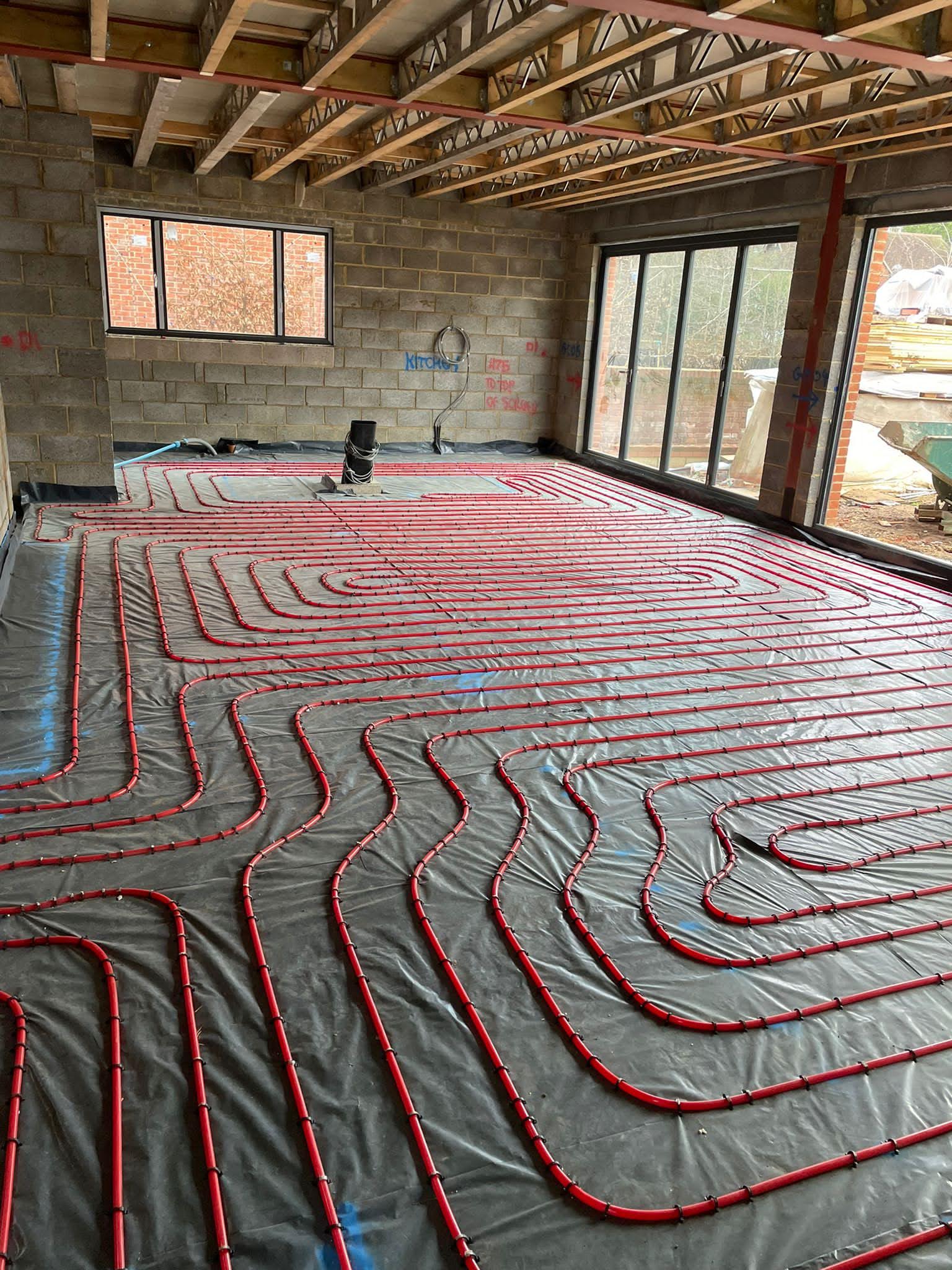
Water-based systems, sometimes called wet systems, send warm water through pipes laid beneath the floor. These pipes connect to your boiler or heat pump. Because of how they’re set up, they often take longer to install but can be cheaper to run over time, especially in larger areas.
Both types sit underneath your final flooring layer, this could be tile, wood, vinyl or carpet (with certain limits). The system gently heats the surface above it, which then warms the room from below.
A thermostat controls everything so you can set different temperatures for different rooms if needed. Some people like this because it gives more control than standard radiators.
The choice between electric and water systems depends on things like room size, budget and whether you’re doing a full renovation or just updating one area. Knowing these differences helps when looking at underfloor heating installation cost, as prices vary depending on what type you choose and how complex the job is.
Rooms with good insulation hold onto warmth better too, making either system more effective over time without needing extra energy use each day. That’s why many homeowners consider upgrading insulation alongside fitting underfloor heating for better long-term results.
Factors That Affect Underfloor Heating Installation Cost
Several things can change how much you’ll pay to get underfloor heating fitted. One of the biggest is the type of system you choose. There are two main kinds: electric and water-based. Electric systems usually cost less to install but might be more expensive to run over time. Water-based ones need more parts and labour, so they often have a higher upfront price.
The size of your floor also plays a role. Larger spaces need more materials and take longer to fit, which pushes up the total cost. Smaller rooms like bathrooms or kitchens will usually be cheaper, simply because there’s less ground to cover.
Insulation is another part that affects pricing. If your home doesn’t hold heat well, extra insulation may be needed before fitting the system. This adds another step and boosts costs. Homes with poor insulation might also need thicker layers or special materials, which can raise expenses further.
Whether your property is new or already built matters too. Fitting underfloor heating in a new build tends to be easier because it can go in during construction, no floorboards or tiles to lift first. Retrofitting into an existing home often needs extra time and effort since installers must remove current flooring before getting started.
You’ll also want to think about who’s doing the job. Labour charges vary depending on skill level, experience, and location within the UK. Hiring someone with good reviews may save money long term by avoiding mistakes.
All these factors combine to shape your underfloor heating installation cost, so it helps to look at each one closely when planning your budget for this kind of upgrade.
Average UK Prices for Underfloor Heating Installation
The cost of underfloor heating in the UK can change depending on a few things. Property type, room size and the system you choose all play a part. Whether you’re fitting it in a flat or a detached house, prices will vary.
For electric systems, smaller rooms like bathrooms or kitchens usually cost between £500 and £1,200. That includes materials and labour. These setups suit single-room projects or renovations where lifting floors isn’t ideal.
Wet systems, those that use water pipes, cost more to install. For an average-sized living room in a standard home, expect to pay around £2,000 to £3,500. This price covers piping, insulation boards and plumbing labour. Wet systems often go into new builds or during major refurbishments because they need more floor preparation.
If you’re installing underfloor heating across an entire property, prices rise further. A three-bedroom semi-detached house might cost between £5,000 and £7,000 for full coverage with a wet system. Larger homes could see costs above £10,000 depending on layout and access.
Floor type also matters. Timber floors may require extra supports or insulation layers. Concrete bases often need screeding over the pipes before flooring goes down.
Labour charges differ by region too. In London or the South East of England, rates tend to be higher than in other parts of the country.
Keep in mind that underfloor heating installation cost figures often don’t include extras like thermostats or smart controls. Some quotes may not cover removal of old flooring either.
Getting itemised quotes from local installers helps avoid surprises later on. It also gives you a better idea of where your money is going – whether it’s parts, prep time or fitting hours across different rooms in your home.
Tips to Save Money on Your Installation
Choosing the right installer can make a big difference. Always get at least three quotes before you decide. Compare what each one includes in their price. Some may charge extra for small tasks like removing old flooring or moving furniture. Others might include those things in the total cost. Ask clear questions so there are no surprises later.
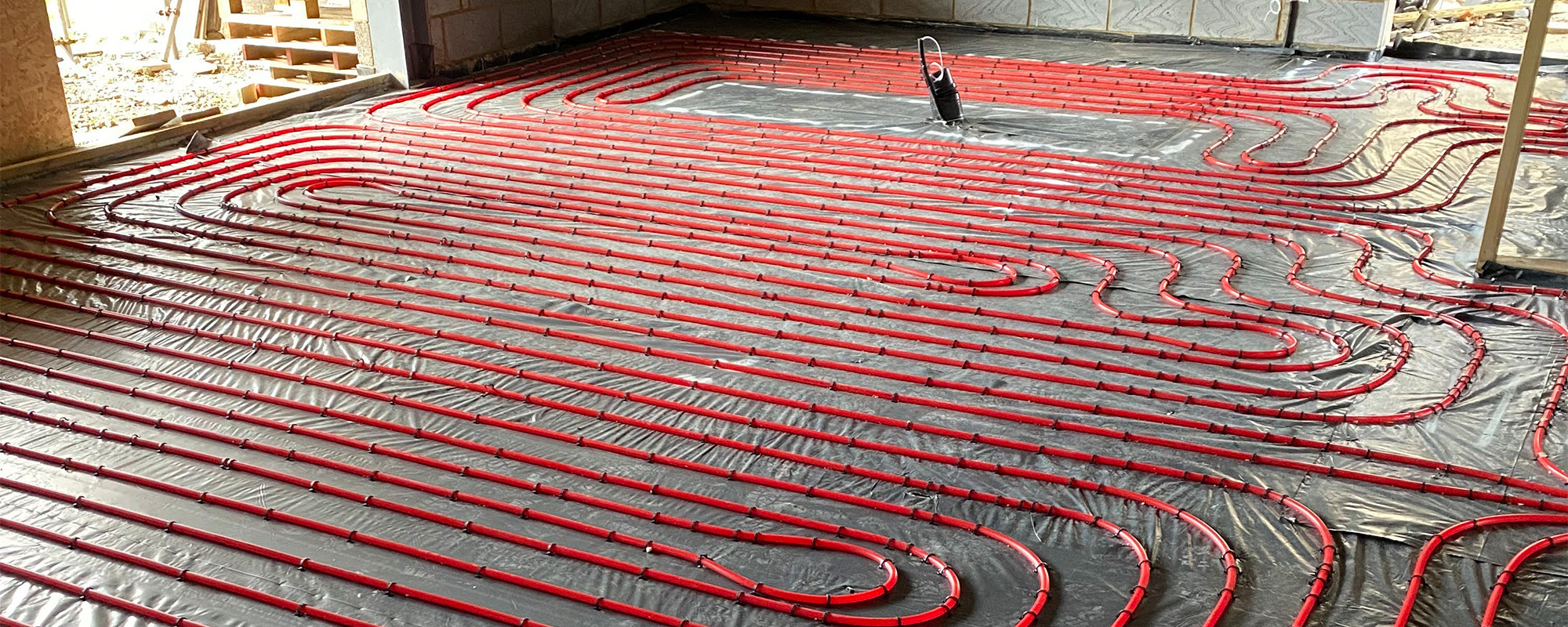
Doing your research helps too. Not all systems cost the same, and not every home needs the most expensive option. Wet underfloor heating is often cheaper to run long-term, but it costs more to install than electric systems. If you’re already updating your floors, that’s a good time to add heating underneath—doing both jobs together can save money on labour.
Buying materials yourself might lower your overall spend as well. Some installers charge a markup if they supply everything, so ask if you can source items like insulation boards or thermostats separately at trade prices or during sales.
Avoid rushing decisions. Planning early gives you time to look for deals and check reviews of different tradespeople. Rushed jobs often lead to mistakes or extras that weren’t budgeted for at the start.
If you’re working on more than one room in your house, think about doing them all at once rather than bit by bit over time. Many companies offer discounts when they handle larger projects in one go.
Keep an eye out for government schemes or local grants that support energy-saving upgrades, some may help reduce your underfloor heating installation cost if your home meets certain criteria.
Try not to focus only on upfront prices either; consider ongoing running costs too when choosing between options like electric vs water-based systems. A slightly higher fee now could mean smaller energy bills later down the line.
These small choices add up over time and can help keep spending under control without cutting corners where it counts most.
Making Smart Choices for a Cosier Home
Now that you’ve got a clearer picture of what’s involved, it’s easier to weigh up whether underfloor heating is right for your home. We’ve covered how the type of system, size of the space, and installation method can all influence your underfloor heating installation cost. On average, costs can vary quite a bit across the UK, so getting multiple quotes and planning ahead is key. With a few savvy tips, like choosing the right system for your needs, you can keep expenses down without compromising on comfort. It’s all about balancing upfront cost with long-term warmth and efficiency.
Share This Story, Choose Your Platform!
About DUO Systems