
More and more homeowners are choosing low profile UFH systems to heat their homes, and it’s easy to see why. These systems fit neatly under existing floors without needing major building works, which makes them a great option for renovations or smaller spaces. They warm rooms evenly from the ground up and help cut down on energy use over time. If you’re tired of bulky radiators or cold spots in your home, this could be a smart switch. In this article, we’ll break down what makes these systems so popular and why they might be worth considering for your own space.
Space-Saving Design
Many homeowners look for ways to make better use of their rooms. One way to do this is by choosing heating that doesn’t take up much space. Low profile UFH systems fit well in homes where floor height is limited. These systems sit close to the subfloor, which means they don’t raise the floor level much.
Some people live in older houses where ceilings aren’t high or floors can’t be lifted too far. Others want to add new heating during a renovation without changing existing layouts. These systems help with both situations. Since they don’t need deep installation, there’s no big change to doors, skirting boards or steps.
Unlike traditional radiators, these underfloor set-ups don’t stick out into a room. That leaves walls free for furniture and decorations. It also makes it easier to move around smaller spaces without bumping into anything fixed on the wall.
Fitting one of these systems can also cut down on building time during upgrades. Because there’s less material involved and minimal digging or levelling needed, it often leads to quicker setups and fewer delays.
In flats or small houses where every inch matters, saving even a little bit of headroom can improve comfort levels day-to-day. People get warmth from below without bulky equipment showing above ground.
For anyone updating their home or working with tight floor levels, this type of setup offers a simple fix that suits modern needs without taking away from usable space indoors.
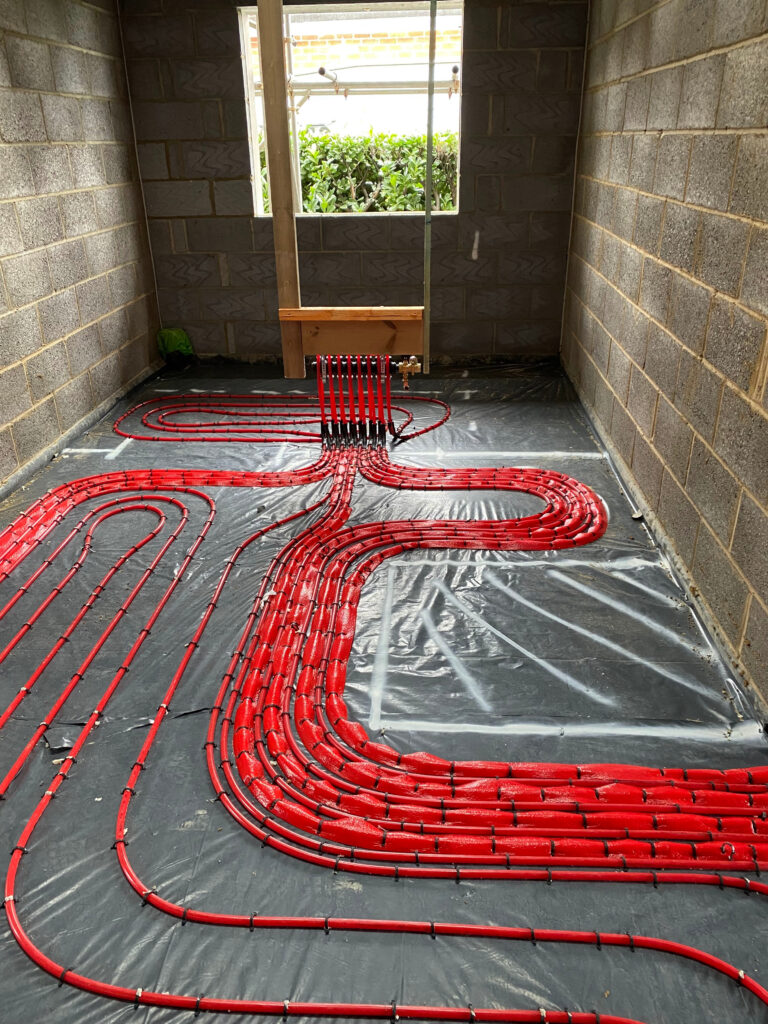
Energy Efficiency at Its Best
Most people want to spend less on heating. That’s where low profile UFH systems come in. These systems use lower water temperatures than regular radiators. Instead of heating water to high levels, they warm it just enough to keep rooms comfortable. This small change makes a big difference in how much energy gets used.
Traditional radiators need hot water, often around 70°C or more, to heat a room. Underfloor heating works well with water heated to about 35–45°C. Because the system spreads heat across the whole floor, it doesn’t need extreme heat in one spot. The warmth rises evenly and keeps the space steady without overworking your boiler.
Lower running temperatures mean your boiler uses less fuel. Whether you’re using gas or electricity, this means smaller bills each month. You burn less fuel over time and waste less energy during use. These savings add up quickly, especially during colder months when heating is on every day.
These systems also pair well with other low-energy options like heat pumps or solar panels. Since they don’t need high-temperature output, they match perfectly with tools that produce moderate warmth efficiently. This makes it easier for homeowners to switch away from older setups and start using more sustainable choices.
Running costs stay down because once the floor heats up, it holds onto that warmth for longer periods of time compared to metal radiators that cool fast after turning off.
Over time, homes become cheaper and simpler to run without needing constant adjustments or turning things off and on again all day long.
Enhanced Comfort and Even Heat Distribution
Traditional radiators tend to heat one area more than the rest. You often feel warm near the unit but cooler on the other side of the room. This uneven heat can make a space feel off balance. Some areas get too hot, while others stay cold. That’s where low profile UFH systems come in and offer a different way to warm your home.
These systems spread warmth across the whole floor surface. Instead of pushing out heat from a single point, they send it upwards evenly from below. This means you feel steady warmth wherever you walk or sit in a room. You don’t need to huddle near a radiator anymore or adjust furniture just to enjoy some heat.
Another benefit is that these systems use lower water temperatures compared to standard radiators. Because the heat spreads across a large area, it doesn’t need to be as high to maintain comfort levels. This not only feels better but also helps control energy use.
Rooms with underfloor heating also avoid stuffy air movement caused by radiators warming up quickly and pushing hot air around at once. The slower rise in temperature creates a more gentle environment for everyday life, with no sudden chills or bursts of dry air.
The even spread of warmth makes daily routines more pleasant too; getting out of bed, stepping onto tiles after a shower, or playing on the floor with kids all become better experiences when your feet aren’t cold.
People notice how natural it feels when there’s no single source pumping out bursts of heat. Whether you’re relaxing on the sofa or working at your desk, every part of the room holds steady warmth without sharp changes from one spot to another.
This consistent level of comfort is one reason many people choose this type of system over older heating options.
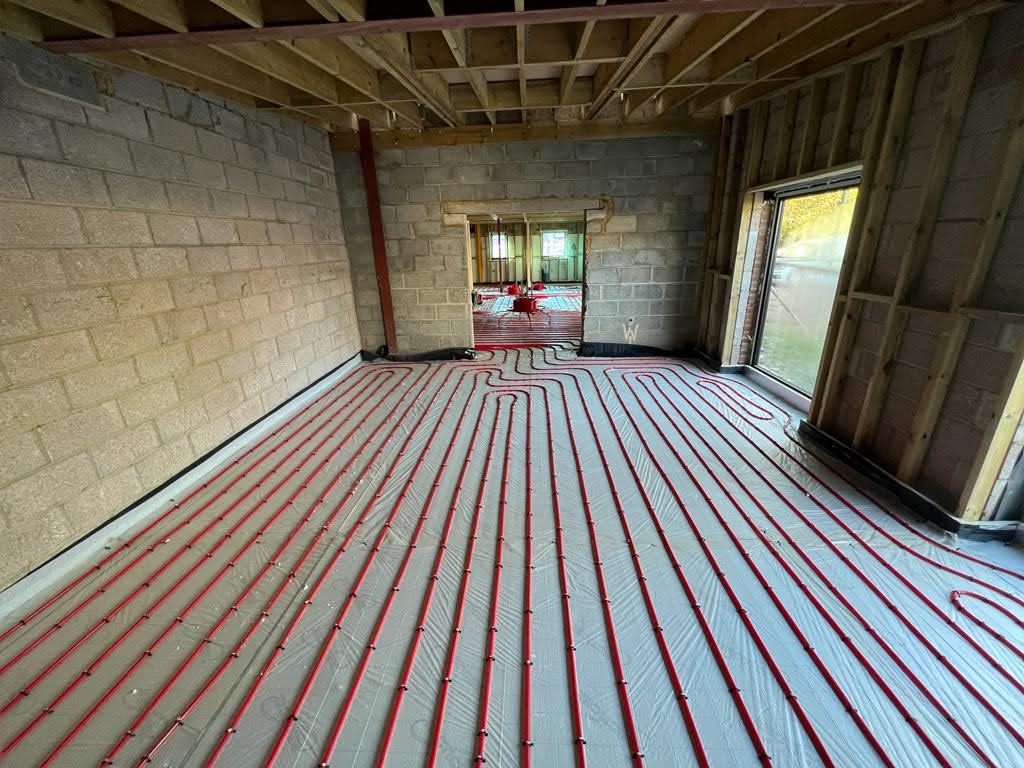
Easy Installation with Minimal Disruption
Fitting underfloor heating often sounds like a big task. People imagine tearing up floors, lots of mess, and long wait times. That’s not the case with low profile UFH systems. These systems go straight over existing floors, so there’s no need to dig deep or remove layers. This makes them a smart choice for people upgrading their homes without starting from scratch.
Since these systems sit closer to the surface, they don’t raise floor levels by much. That means there’s usually no need to adjust doors or skirting boards. You can keep your current flooring or lay new surfaces right on top after fitting. It works well in older houses where you want better heating but don’t want major building jobs.
Tradespeople can often install these systems fast, sometimes in just one day for smaller spaces. There’s less dust and noise compared to full renovations. Families can stay at home during the job without needing to move out or clear every room beforehand.
This setup suits all kinds of properties, from small flats to larger houses looking for a quick change without turning into a construction site. It also cuts down on labour time and costs since it doesn’t involve heavy tools or long prep steps.
For those doing home upgrades in stages, low profile options allow rooms to be tackled one at a time without delay between them. Once installed, most systems are ready for use soon after, which is helpful if timing matters.
Builders and installers also prefer working with these kinds of setups because they’re straightforward and cause fewer delays on site than more complex alternatives.
The Smart Choice for Modern Living
As we’ve explored, low profile UFH systems offer a winning combination of practicality and performance that modern homeowners truly appreciate. Their slim design saves valuable space, while energy-efficient operation helps reduce heating bills over time. Add to that the consistent warmth and easy installation with minimal disruption, and it’s clear why they’re becoming a popular choice. Whether you’re upgrading your current setup or planning a new build, low profile UFH systems deliver comfort without compromise, making them a smart investment for any home.
Share This Story, Choose Your Platform!
About DUO Systems